Skip to content Skip to footer

Classic vs Formula Karts: Which Experience Is Right for Your Child

As a parent, you’re dedicated to finding activities that ignite your child’s passion while promoting growth and ensuring safety. Karting, a dynamic motorsport, offers an exhilarating blend of fun and skill-building, but the choice between classic vs formula karts can profoundly shape your child’s experience on the track. With over 1.5 million children participating in karting annually, according to the National Karting Association, this sport has become a go-to for families seeking adventure and development. This comprehensive guide explores the differences between classic and formula karts, detailing their features, safety measures, costs, and benefits to help you select the perfect karting experience for your young racer. Keep reading to learn how to make the best choice for your child’s karting journey!

Exploring Classic and Formula Karts: Laying the Groundwork

Karting is a thrilling introduction to motorsports, fostering essential skills like hand-eye coordination, confidence, and strategic thinking. The type of kart—classic or formula—plays a critical role in determining the experience’s intensity, safety, and suitability for your child. By diving into the distinctions between classic vs formula karts, parents can make informed decisions that align with their child’s age, experience, and aspirations, ensuring a rewarding and enjoyable time on the track.

Defining Classic Karts

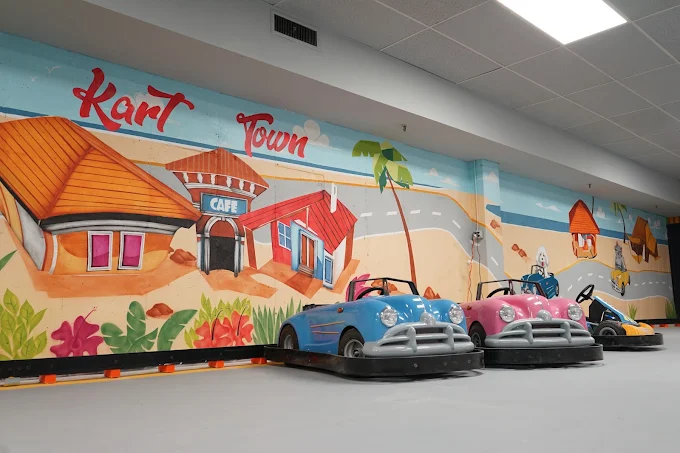
Classic karts, often referred to as recreational or sprint karts, are designed for accessibility and enjoyment. Found at family entertainment centers, Indoor playground tracks, or outdoor recreational facilities, these karts cater to beginners and casual racers, making them an excellent starting point for young children eager to try racing.

  • Speed: Ranges from 15–25 mph, safe for kids as young as 6.

  • Design: Features simple, sturdy frames with basic steering and braking systems.Cost: Budget-friendly, with sessions typically costing $15–$40.

  • Skill Level: Suited for beginners and intermediate drivers with minimal experience.

These karts prioritize fun over competition, allowing kids to focus on learning the basics of driving in a safe, controlled environment.

Defining Formula Karts

Formula karts are high-performance machines inspired by professional open-wheel racing, such as Formula 1. Used in competitive leagues or advanced training programs at specialized racing facilities, these karts cater to drivers seeking a challenging and adrenaline-pumping experience.

  • Speed: Can reach 50–70 mph, suitable for ages 10 and older.

  • Design: Boasts aerodynamic frames, advanced suspension, and precise handling.

  • Cost: Higher, with sessions ranging from $50–$100, plus additional gear costs.

  • Skill Level: Best for experienced or competitive racers.

Formula karts are tailored for those with a passion for speed and a desire to develop advanced racing skills, serving as a stepping stone for aspiring professional drivers.

Why the Choice Matters

The decision between classic vs formula karts directly impacts your child’s safety, enjoyment, and long-term engagement with karting. Choosing a kart that’s too advanced may lead to frustration or safety concerns, while one that’s too basic might not satisfy an eager, experienced racer. A 2023 report from the National Karting Association notes that 85% of first-time racers begin with classic karts due to their forgiving nature and accessibility, highlighting their appeal for beginners.

Choosing between Classic or Formula Karts? Find the perfect experience for your child!

Kart Town Packages

Comparing Classic and Formula Karts: Key Differences

To make an informed choice, it’s essential to understand the specific differences between classic vs formula karts. This section examines performance, safety, accessibility, and cost, providing a clear comparison to guide your decision-making process. The table below summarizes the key distinctions to help you visualize the contrast.

Performance and Speed

Classic karts are engineered for controlled, moderate speeds, making them ideal for younger children or those new to karting. Their 4-stroke engines deliver steady, manageable power, ensuring a gentle learning curve for beginners. Formula karts, powered by 2-stroke engines, offer higher speeds and greater responsiveness, appealing to thrill-seekers and experienced drivers who want to push their limits.

Safety Features and Measures

Safety is a cornerstone, and both kart types are designed with protective features. Classic karts include roll cages, seat belts, and speed governors to minimize risks for young drivers, making them a reliable choice for beginners. Formula karts feature similar safety measures but require additional gear, such as full-face helmets, racing suits, and gloves, due to their higher speeds. A 2024 safety study reported a 35% lower incident rate for classic karts among beginners compared to formula karts, reinforcing their suitability for new racers.

Accessibility and Availability

Classic karts are widely available at local tracks, amusement parks, and family entertainment centers, offering easy access for casual outings. Formula karts are typically found at specialized racing facilities, often requiring advanced registration or league participation. This makes classic karts a more convenient option for families exploring the sport without long-term commitment.

Cost Breakdown

Budgeting is a critical factor when choosing between classic vs formula karts. Classic karting sessions are affordable, often included in family packages, making them accessible to many. Formula karts, due to their advanced technology and competitive nature, involve higher costs for track time, equipment, and maintenance.

Feature

Classic Karts

Formula Karts

Speed

15–25 mph

50–70 mph

Cost per Session

$15–$40$50–$100

Age Range

6+10+

Skill Level

Beginner–Intermediate

Intermediate–Advanced

Availability

Widely available

Specialized tracks

Benefits of Karting for Children

Karting, whether through classic or formula karts, offers more than just an adrenaline rush. It’s a developmental activity that nurtures physical, emotional, and cognitive skills, equipping children with tools that extend beyond the racetrack. Here’s how each kart type benefits your child and contributes to their growth.

Classic Karts: Building Confidence and Foundational Skills

Classic karts provide an approachable entry into motorsports, making them ideal for young or inexperienced drivers. Their slower speeds and straightforward controls allow kids to master essential driving skills, such as steering, braking, and track awareness, without feeling overwhelmed. A 2024 study by the Youth Sports Institute found that 78% of children aged 6–12 reported increased self-esteem after participating in recreational karting, highlighting its positive impact.

  • Skill Development: Enhances hand-eye coordination, spatial awareness, and quick decision-making.

  • Social Benefits: Promotes teamwork, communication, and sportsmanship in group racing sessions.

  • Low-Pressure Environment: Focuses on fun rather than competition, perfect for casual racers.

Classic karts create a safe, supportive space for kids to explore racing, build confidence, and develop a love for the sport.

When considering karting experiences for children, the environment plays a crucial role in ensuring safety and enjoyment. An indoor playground setting provides the perfect controlled atmosphere for young racers to explore both classic and formula karts without weather-related interruptions or outdoor hazards. These climate-controlled facilities offer year-round access to racing experiences, making them ideal for families seeking consistent entertainment options.

indoor playground environment at karting centers combines the thrill of motorsports with the safety features parents expect, including supervised tracks, proper ventilation, and well-maintained equipment. Many indoor playground venues integrate classic karts into their family entertainment offerings, allowing children as young as six to experience the excitement of racing in a protected setting.

This versatility makes indoor playground concept particularly appealing for birthday celebrations, group events, or casual weekend outings where families can enjoy multiple activities beyond karting, creating a comprehensive entertainment destination that caters to various age groups and skill levels.

Formula Karts: Fostering Competitive Spirit and Advanced Skills

For children with a passion for racing, formula karts offer a thrilling glimpse into professional motorsports. Their speed and precision challenge drivers to refine their skills, making them ideal for competitive leagues or advanced training programs. Many professional racers, including Formula 1 champions, began with formula-style karts, underscoring their role in developing future talent.

  • Advanced Skill Development: Sharpens reflexes, race strategy, and precision handling under pressure.

  • Competitive Edge: Prepares kids for organized racing events and competitive circuits.

  • Goal-Oriented Mindset: Encourages discipline, perseverance, and long-term improvement.

Formula karts provide an intense, rewarding experience for kids who thrive on competition and aspire to take their racing skills to the next level.

Emotional and Cognitive Benefits

Both classic and formula karts foster emotional resilience and cognitive growth. Karting teaches children how to handle pressure, adapt to challenges, and make split-second decisions in a controlled environment. The structured setting of a karting track also instills respect for rules, safety protocols, and sportsmanship, providing valuable life lessons.

Physical Benefits

Karting requires physical stamina, strength, and coordination, making it an excellent activity for keeping kids active. Steering a kart, especially a formula kart at high speeds, engages core muscles, improves endurance, and enhances motor skills. Regular participation contributes to overall physical fitness while offering a fun alternative to traditional sports.

Social and Community Engagement

Karting fosters a sense of community, particularly in formula kart leagues, where kids build friendships and learn sportsmanship. Classic karting offers social fun through group sessions or family race days, making it a great bonding activity. Both types provide opportunities for kids to connect with peers who share their interests, enhancing their social skills.

Confidence and Self-Esteem

Karting empowers kids to take on challenges and celebrate their achievements, whether it’s mastering a turn in a classic kart or winning a race in a formula kart. This sense of accomplishment boosts self-esteem and encourages kids to set and pursue goals. The supportive environment of karting tracks helps kids feel valued and capable.

How to Choose the Right Karting Experience for Your Child

Selecting between classic vs formula karts requires careful consideration of your child’s age, experience, interests, and your family’s budget and time constraints. The following steps provide a practical roadmap to ensure the best fit for your young racer.

Step 1: Assess Your Child’s Age and Experience

Start by evaluating your child’s age and familiarity with karting. Classic karts are ideal for children under 10 or those new to racing due to their simplicity and slower speeds. Formula karts are better suited for older kids or teens (10+) with prior karting experience who are ready for a more challenging experience.

Step 2: Prioritize Safety and Comfort

Safety is paramount in karting, and both kart types are designed with protective features. Classic karts include roll cages, seat belts, and speed governors, making them a safe choice for beginners. Formula karts require additional safety gear, such as full-face helmets and racing suits, due to their higher speeds. Ensure the facility adheres to safety standards set by organizations like the World Karting Association.

Step 3: Evaluate Budget and Commitment

Classic karts are budget-friendly, with sessions often included in family entertainment packages at affordable rates. Formula karts involve higher costs for track time, equipment, and maintenance, as well as a greater time commitment for practice or leagues. Discuss with your child whether they prefer a casual hobby or a competitive pursuit.

Step 4: Visit a Local Karting Facility

Take your child to a nearby karting track to observe or try a session. Many centers offer junior karting programs with classic karts, perfect for beginners. For formula karts, seek specialized tracks that cater to competitive racers, ensuring they have the right equipment and supervision.

Step 5: Understand Your Child’s Interests

Have an open conversation with your child about their racing goals. Do they want a fun, relaxed experience, or are they drawn to competition? Their preferences will guide you in choosing between classic vs formula karts.

Step 6: Start Small and Progress Gradually

For new racers, begin with classic karts to build confidence and skills. As they gain experience, consider transitioning to formula karts for a more intense experience. Many tracks offer progression programs to support this journey.

Step 7: Explore Coaching Opportunities

Many karting centers provide coaching programs to enhance skills. Classic kart programs focus on basics like track navigation, while formula kart coaching emphasizes race strategy and advanced handling. Coaching can accelerate learning and boost confidence.

Step 8: Monitor Progress and Adjust

Regularly check in with your child to ensure they’re enjoying karting. If formula karts feel overwhelming, step back to classic karts. Flexibility ensures a positive experience tailored to their needs.

Step 9: Plan for Long-Term Engagement

Consider whether karting will be a one-off activity or a long-term hobby. Classic karts offer flexibility for occasional fun, while formula karts may lead to competitive leagues. Discuss long-term goals with your child to align with their aspirations.

Step 10: Balance Karting with Other Activities

Karting, especially formula karts, can be time-intensive. Classic karts offer flexibility for occasional participation. Create a balanced schedule to support your child’s overall well-being.

Addressing Common Concerns: FAQs About Classic and Formula Karts

Are Classic Karts Safe for Young Children?

Yes, classic karts are designed with safety features like speed governors, roll cages, and seat belts, making them suitable for kids as young as 6. Reputable facilities enforce strict safety protocols. Verify compliance with standards from organizations like the National Karting Association.

What Age Is Best for Formula Karts?

Formula karts are recommended for children aged 10 and older with some karting experience. Their higher speeds require greater control, maturity, and physical strength. Ensure your child is prepared for the challenge.

How Much Does Karting Cost?

Classic karting sessions cost $15–$40, making them affordable for families. Formula karting ranges from $50–$100 per session, with additional gear costs. Look for package deals or memberships to save money.

Can Karting Lead to a Professional Racing Career?

Yes, karting is a proven pathway to professional motorsports. Formula karts, used in competitive leagues, prepare kids for higher racing categories like Formula 3 or NASCAR. Many Formula 1 drivers began in karting, showcasing its potential.

How Do I Find a Reputable Karting Facility?

Seek tracks certified by organizations like the World Karting Association. Visit facilities to assess safety measures, staff professionalism, and age-appropriate programs. Read online reviews to ensure a positive experience.

What Gear Is Required for Karting?

Classic karts often require just a helmet, typically provided by the facility. Formula karts need full-face helmets, racing suits, gloves, and shoes, meeting standards from the Fédération Internationale de l’Automobile (FIA). Budget for these costs in competitive racing.

How Can Parents Support Their Child’s Karting Journey?

Parents can attend races, assist with gear maintenance, and encourage practice sessions. For formula karts, be prepared for greater time and financial commitment. Staying engaged shows your child you support their passion.

What Are the Risks of Karting?

While karting is generally safe with proper precautions, risks include minor collisions or bruises. Classic karts are lower-risk due to slower speeds. Always ensure facilities follow strict safety guidelines.

How Does Karting Compare to Other Youth Sports?

Karting offers unique benefits like reflexes and strategic thinking, unlike team sports like soccer. It’s ideal for kids who enjoy individual challenges. Both classic and formula karts provide physical and mental growth opportunities.

What Should I Do If My Child Loses Interest?

If your child loses interest, explore why—perhaps the kart type or competitive pressure isn’t right. Try classic karts for fun or take a break. Revisit the sport later to see if their enthusiasm returns.

Additional Considerations for Parents

Equipment Needs and Costs

Classic karts require minimal gear, often just a helmet provided by the facility. Formula karts demand significant investment, with helmets costing $100–$500, racing suits $150–$400, and additional accessories like gloves and shoes. Plan for these expenses when considering formula karts, especially for competitive racing.

Time Commitment and Scheduling

Classic karting is flexible, fitting busy schedules with one-off sessions at local tracks. Formula karting requires regular practice or league participation, demanding several hours weekly. Balance karting with school, other hobbies, and family time to support your child’s well-being.

Community and Social Benefits

Karting fosters friendships, particularly in formula kart leagues where kids learn sportsmanship and collaboration. Classic karting offers social fun through group sessions or family race days, making it a great bonding activity. Both types provide opportunities for kids to connect with peers, enhancing their social skills.

Progression and Long-Term Goals

Classic karts are ideal for casual fun, while formula karts support competitive aspirations. Many facilities offer junior leagues or training programs to help kids progress from recreational to competitive racing. Align your choice with your child’s short- and long-term goals.

Parental Involvement and Support

Parents play a vital role by attending races, helping with gear maintenance, and providing emotional support. Formula karts require more involvement due to higher costs and time demands. Showing interest in your child’s racing journey fosters their commitment and enjoyment.

Balancing Karting with Other Activities

Karting, especially formula karts, can be time-intensive, potentially conflicting with other commitments. Classic karts offer flexibility for occasional participation, making them easier to integrate. Work with your child to create a balanced schedule that prioritizes their overall development.

Preparing for Competitive Karting

For kids interested in formula karts, competitive karting involves structured training, regular races, and potential travel for regional events. Leagues offer opportunities to develop advanced skills and compete at higher levels. Ensure your child is committed before pursuing this path.

Addressing Anxiety or Fear

Some kids may feel nervous about racing, especially with formula karts’ higher speeds. Start with classic karts to build confidence and ensure supportive coaching. Open communication helps address fears and ensures a positive experience.

Real-World Success Stories in Karting

  • Lily, Age 7: Lily began with classic karts at a local track, quickly gaining confidence in a safe environment. She now races in a junior league, mastering turns and dreaming of trying formula karts. Her journey shows how classic karts spark passion.

  • Noah, Age 14: Noah transitioned to formula karts after excelling in classic karts. His dedication in a competitive league led to a regional championship, highlighting the potential for formula karts to pave a competitive path. Noah’s story inspires aspiring racers.

  • Ava, Age 11: Ava’s love for classic karts grew into a passion for racing after regular sessions. Coaching helped her transition to formula karts, boosting her skills and self-esteem. She now competes locally with confidence.

  • Ethan, Age 12: Ethan started with classic karts and progressed to formula karts through a junior league. His consistent practice earned him recognition at local races, showing the value of progression. Ethan aims to compete nationally one day.

  • Sophie, Age 9: Sophie discovered karting through a family outing with classic karts. Her enthusiasm led to regular sessions, improving her coordination and focus. She’s now exploring competitive options, inspired by her early success.


Practical Tips for Getting Started

  • Research Tracks: Find certified facilities with strong safety records via the World Karting Association. Look for age-appropriate programs and well-maintained equipment.

  • Book a Trial Session: Start with a classic kart session to gauge your child’s interest before committing further. Trial sessions are low-risk and fun.

  • Invest in Quality Gear: Purchase FIA-approved gear for formula karts, including helmets and suits; confirm classic kart gear availability at the track.

  • Encourage Open Communication: Regularly check in with your child to ensure they enjoy karting and feel comfortable. Address concerns promptly.

  • Explore Coaching Programs: Enroll in beginner or advanced coaching to accelerate skill development and boost confidence.

  • Attend Races as a Family: Make karting a bonding activity by attending races or practice sessions together. It shows support and creates memories.

  • Set Achievable Goals: Help your child set realistic goals, like mastering a corner or improving lap times, to keep them motivated.

  • Stay Informed About Rules: Learn karting rules and safety protocols to guide your child effectively. Knowledge enhances your support.

  • Plan for Progression: Discuss whether your child wants casual fun or competitive racing to plan their karting journey.

  • Celebrate Milestones: Acknowledge achievements, like completing a race or learning a new skill, to foster enthusiasm.


The Long-Term Value of Karting

Karting teaches resilience, focus, and responsibility, benefiting academics, personal growth, and future careers. Classic karts offer fun and accessibility, while formula karts pave the way for competitive success. The experience can spark a lifelong passion, build character, or create lasting family memories.

Classic Karts: A Gateway to Fun and Learning

Classic karts are perfect for introducing kids to racing. Their affordability and accessibility make them a low-risk entry point. Kids can progress to formula karts as their interest and skills grow.

Formula Karts: A Path to Excellence

Formula karts offer a competitive edge for aspiring racers. Skills like precision, strategy, and resilience prepare kids for higher racing levels or other high-pressure fields. Dedication fosters a strong work ethic.

Life Skills Beyond the Track

Karting teaches kids to handle challenges, make quick decisions, and respect rules. These lessons build character and prepare them for future endeavors, whether in racing, academics, or other pursuits.

Creating Lasting Memories

Karting provides opportunities for family bonding through shared experiences at the track. Whether it’s cheering during a race or celebrating a milestone, these moments strengthen relationships. The joy of karting creates memories kids cherish.

Sum Up

Choosing between classic vs formula karts is a pivotal decision that shapes your child’s karting journey and development. Classic karts offer a safe, affordable introduction for younger kids or beginners, fostering confidence and fun. Formula karts cater to experienced racers with competitive aspirations, providing a thrilling path to advanced skills. By assessing your child’s age, interests, and skills, visiting local tracks, and prioritizing safety, you can ensure a rewarding experience that ignites their passion for racing. Start your child’s karting adventure today by booking a trial session at a nearby track!

Karting venues have revolutionized children’s celebrations by offering specialized birthday party rooms that combine racing excitement with convenient party amenities. These dedicated birthday party rooms provide families with an all-inclusive solution for hosting memorable events, featuring customizable packages that incorporate karting sessions alongside traditional party elements like food service, decorations, and private gathering spaces.

Parents appreciate how birthday party rooms eliminate the stress of planning by bundling track time, safety equipment, and party coordination into comprehensive packages. For children choosing between classic and formula kart experiences during their celebration, birthday party rooms offer the flexibility to accommodate different age groups and skill levels simultaneously, ensuring every young guest can participate safely. The structured environment of birthday party rooms allows families to focus on creating lasting memories while professional staff manage logistics, safety protocols, and timing coordination.

Whether celebrating a milestone with beginner-friendly classic karts or treating experienced young racers to formula kart thrills, birthday party rooms transform ordinary celebrations into extraordinary motorsport adventures that guests will remember long after the checkered flag waves.

Call Now