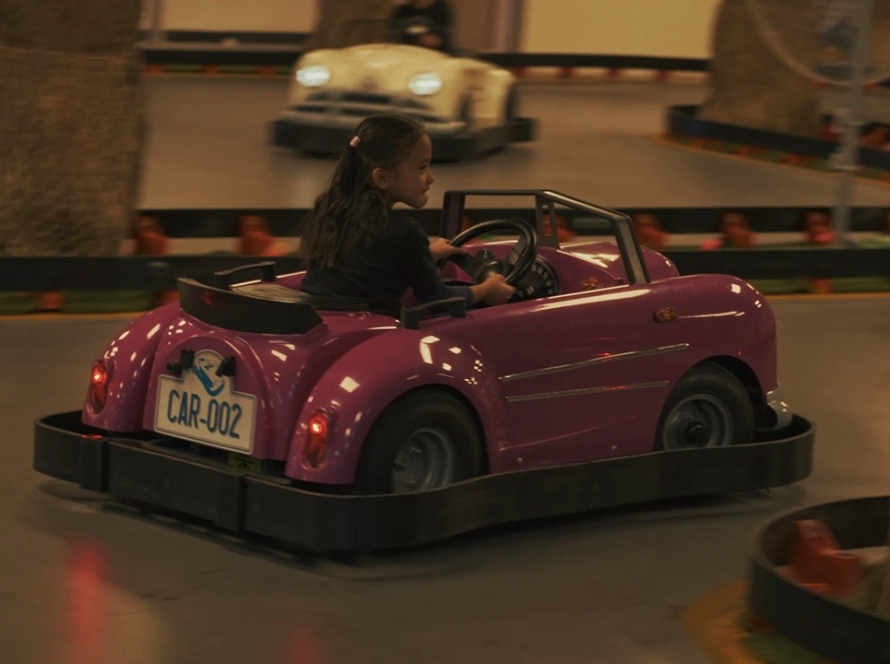
Have you ever noticed your child’s face light up when they’re racing through a ball pit with new friends? Group play in an indoor playground is more than just a fun outing—it’s a powerful way to support your child’s growth. From building teamwork skills to boosting confidence, these vibrant spaces offer unique opportunities for development. Keep reading to learn how group play can shape your child’s future and why indoor playgrounds are the perfect setting.
Why Group Play Is Essential for Kids
Children thrive on connection, but modern schedules often limit their chances for unstructured play. Group play in an indoor playground provides a solution, offering a safe, engaging space for kids to learn, grow, and connect. These environments foster social, physical, and cognitive skills in ways that solo play or outdoor settings can’t always match.
Indoor playgrounds are designed with safety and fun in mind, featuring soft surfaces and age-appropriate equipment. They encourage teamwork and creativity, making them ideal for holistic child development. Let’s dive into the specific benefits and how they impact your child.
Key Benefits of Group Play in Indoor Playgrounds
Building Social Skills Through Play
Group play helps children navigate the complexities of social interactions. In an indoor playground, kids practice sharing, taking turns, and resolving conflicts during activities like climbing walls or group games. For example, deciding who goes first on a slide teaches cooperation and teamwork.
Empathy: Playing with peers helps kids understand others’ feelings.
Communication: Group activities improve verbal and non-verbal skills.
Conflict Resolution: Kids learn to negotiate rules or solve disputes.
Boosting Physical Health and Motor Skills
Indoor playgrounds are filled with equipment like tunnels, trampolines, and obstacle courses that promote physical activity for kids. Group play makes these activities even more engaging, as kids chase each other or compete in friendly races, improving coordination and strength. Unlike solo play, group dynamics encourage dynamic movements that support overall fitness.
Gross Motor Skills: Climbing and running enhance balance and agility.
Fine Motor Skills: Manipulating toys or building structures sharpens dexterity.
Healthy Habits: Active play fosters a lifelong love for movement.
The CDC recommends 60 minutes of daily physical activity for children, and group play in indoor settings makes this goal both fun and achievable.
Fostering Cognitive and Creative Growth
Interactive play environments spark imagination and problem-solving. Group activities, like building a pretend fort or solving a group puzzle, encourage critical thinking and creativity. Indoor playgrounds often include themed areas that inspire role-playing, further boosting cognitive development.
Problem-Solving: Games like treasure hunts teach strategic thinking.
Creativity: Collaborative storytelling or building fuels imagination.
Focus: Group tasks improve attention and concentration.
A 2019 National Institute for Play report noted that collaborative play enhances cognitive flexibility, helping kids adapt to new challenges.
Enhancing Emotional Well-Being
Group play in a supportive setting builds confidence and resilience. Completing tasks with peers, like navigating an obstacle course, gives kids a sense of accomplishment. Indoor playgrounds provide a low-pressure environment where children can take risks and try new things, boosting their self-esteem.
Resilience: Overcoming small challenges builds grit.
Confidence: Positive peer interactions reinforce self-worth.
Looking for Indoor Play Ground in Scarborough? Book a fun package now!
How Indoor Playgrounds Support Group Play
Safe and Engaging Spaces
Indoor playgrounds prioritize safety with soft flooring, padded equipment, and age-appropriate designs. This allows kids to focus on play without parents worrying about injuries. These child-friendly play spaces encourage group activities like obstacle courses or interactive games, fostering teamwork and fun.
Mix of Structured and Unstructured Play
Indoor playgrounds offer a balance of guided activities, like staff-led games, and free play, allowing kids to explore at their own pace. This mix supports cooperative play for kids, as children can join structured scavenger hunts or invent their own games in open areas. The variety ensures every child finds something engaging.
Inclusive Design for All Ages
Most indoor playgrounds cater to a wide age range, enabling kids of different ages to play together. This inclusivity promotes peer interaction in play areas, as older children often guide younger ones, fostering leadership and mentorship. Facilities like Kidtopia offer multi-level zones to accommodate diverse groups.
Tips for Maximizing Group Play Benefits
Pick the Right Playground
Choose an indoor playground with varied activities, clean facilities, and trained staff. Check Yelp for reviews or visit playground websites for group play program details. A well-designed space ensures a positive experience for your child.
Encourage Group Participation
If your child is shy, ease them into group activities with familiar friends or smaller groups. Many playgrounds, like Urban Air, offer events that help kids gradually engage in social development through play. Be patient and let them build confidence at their own pace.
Balance Supervision and Freedom
While indoor playgrounds are safe, keep an eye on your child to ensure they’re engaged and safe. At the same time, give them space to interact independently, which supports social and emotional growth. Finding this balance is key to maximizing benefits.
Make Play a Regular Habit
Regular visits—weekly or biweekly—help kids build friendships and reinforce skills learned through group play. Many playgrounds offer memberships for frequent visitors, making it cost-effective. Consistency ensures lasting developmental gains.
Comparing Indoor vs. Outdoor Group Play
|
Aspect |
Indoor Playground |
Outdoor Playground |
|---|---|---|
|
Safety |
Soft surfaces, controlled environment |
Exposed to weather, harder surfaces |
|
Weather Dependency |
Year-round access |
Limited by rain, heat, or cold |
|
Group Activities |
Structured and unstructured options |
Mostly unstructured |
|
Accessibility |
Often ADA-compliant, inclusive designs |
Varies, may lack accessibility features |
|
Cost |
Entry fees or memberships |
Usually free, limited amenities |
This table shows why indoor playgrounds are ideal for consistent, safe group play, especially in areas with unpredictable weather.
Addressing Common Concerns
Is Group Play Safe in Indoor Playgrounds?
Reputable indoor playgrounds follow strict safety and sanitation protocols, using non-toxic materials and regular cleaning. Check for safety certifications on their websites, such as those from the International Play Association, to ensure a secure environment.
What If My Child Is Shy?
Shy kids can benefit from group play with gradual encouragement. Start with activities tailored to their interests, like art or sensory games. Facilities like We Rock the Spectrum offer support for kids with social challenges, ensuring inclusivity.
Can Group Play Fit a Busy Schedule?
Indoor playgrounds offer flexible hours, including drop-in sessions and weekend options. Even a single hour of group play provides significant benefits, making it easy to incorporate into a busy routine. Check local listings for convenient times.
Are Indoor Playgrounds Worth the Cost?
Entry fees are an investment in your child’s development—social, physical, and cognitive. Many playgrounds offer group discounts or memberships, so compare options to find the best value. The long-term benefits outweigh the cost.
FAQs About Group Play in Indoor Playgrounds
What age is best for group play in indoor playgrounds?
Kids ages 2–12 benefit most, with activities tailored to different developmental stages. Check for age-specific zones to ensure a good fit.
How does group play differ from solo play?
Group play fosters social development through play, teaching teamwork and communication, while solo play emphasizes individual creativity and independence.
Yes, group play encourages self-regulation and cooperation, which can improve behavior.
How often should kids visit indoor playgrounds?
Weekly or biweekly visits maximize social and physical benefits. Even occasional visits can make a difference if they include group activities.
Sum Up
Group play in an indoor playground offers a wealth of benefits, from building social skills and physical strength to sparking creativity and confidence. These safe, engaging spaces provide the perfect setting for kids to connect, learn, and grow through cooperative play. By choosing the right playground and encouraging regular visits, you can unlock these advantages for your child. Ready to see the impact for yourself? Find a local indoor playground and watch your child thrive in the joy of group play!
Birthday party rooms within group play facilities have emerged as ideal venues for celebrating childhood milestones while simultaneously providing developmental benefits through structured social interaction. These dedicated spaces combine the excitement of celebration with the proven advantages of group play, allowing birthday children and their guests to engage in cooperative activities that build teamwork, communication skills, and lasting friendships.
Unlike traditional party venues, birthday party rooms at play facilities offer comprehensive packages that integrate physical activities, interactive games, and age-appropriate challenges designed to keep children engaged and active throughout the celebration. The structured yet flexible environment of birthday party rooms ensures that every child participates in group dynamics, from sharing turns on equipment to collaborating during organized games, reinforcing social skills that extend beyond the party itself.
Parents appreciate how birthday party rooms eliminate planning stress while providing professional supervision, ensuring safety as children navigate group activities that promote confidence and resilience. By choosing birthday party rooms at facilities focused on developmental play, families create memorable celebrations that offer lasting benefits, transforming typical birthday gatherings into opportunities for children to practice conflict resolution, enhance physical coordination, and experience the joy of collaborative achievement in supportive, inclusive settings.